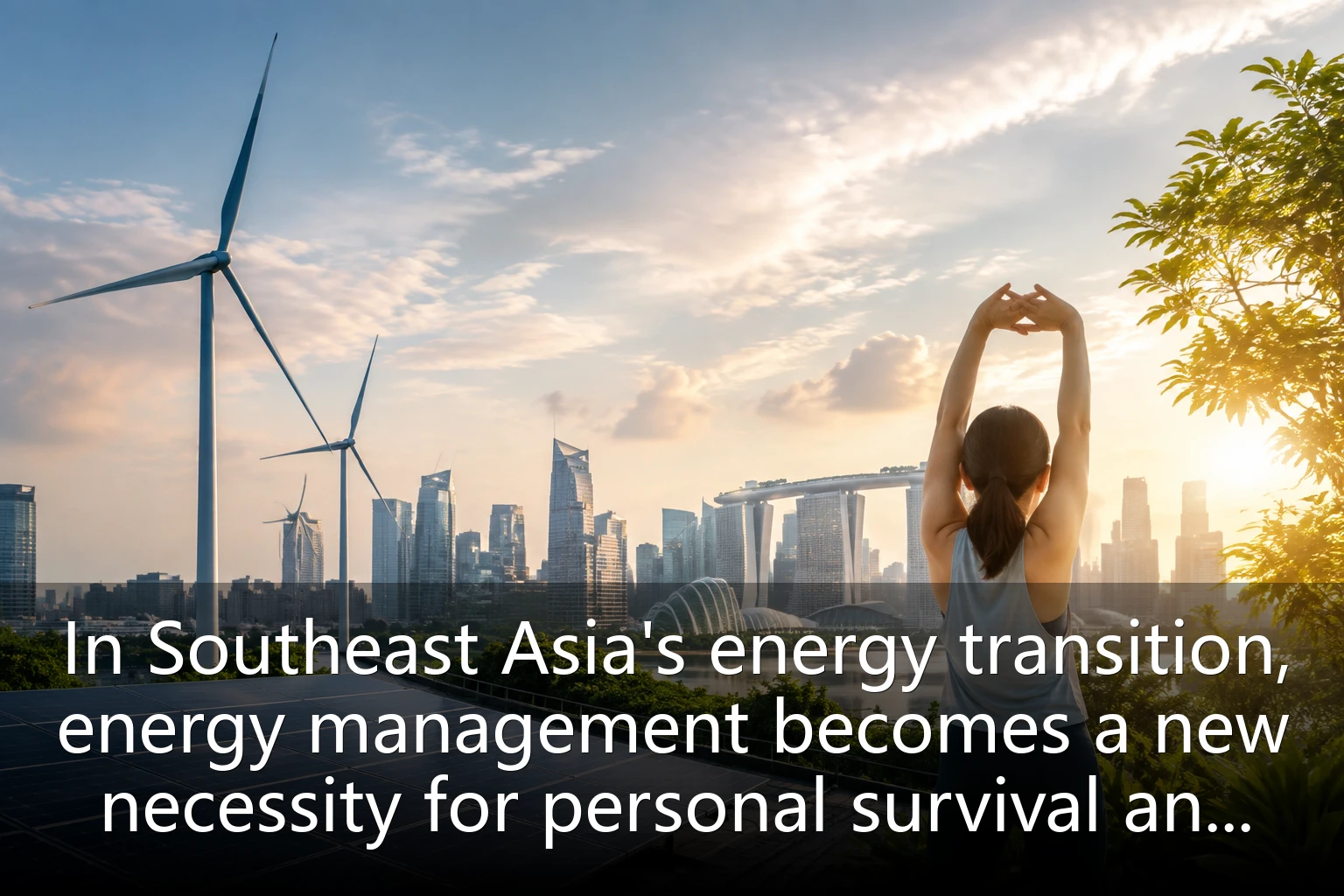
In Southeast Asia's energy transition, energy management becomes a new necessity for personal survival and development
Today, as the global energy landscape undergoes profound changes, Southeast Asia is experiencing an unprecedented energy transition. From relying on fossil fuels to vigorously developing renewable energy, from centralized energy supply to distributed energy systems, this transition is not only reshaping the region's energy structure but also deeply affecting everyone's lifestyle and energy management methods. With increasing energy price fluctuations and supply uncertainties, the concept of "energy management" has extended from the personal health field to the level of survival and development, becoming a necessity of the new era.
Energy Transition: Opportunities and Challenges Facing Southeast Asia
In recent years, Southeast Asian countries have formulated ambitious energy transition goals. Indonesia plans to achieve net-zero emissions by 2060, Vietnam commits to carbon neutrality by 2050, Thailand has launched a "bio-circular green economy" development model, and Singapore continues to promote energy efficiency improvements and renewable energy development. Behind these initiatives are multiple considerations including addressing climate change, ensuring energy security, and promoting sustainable economic development.
However, the energy transition is not smooth sailing. On one hand, the structural contradiction between traditional energy and renewable energy is increasingly prominent, and the stability of the power system is facing challenges. On the other hand, energy price fluctuations have direct impacts on businesses and households, especially during high-temperature periods when air conditioning electricity demand surges, making the energy supply-demand contradiction more acute. In the summer of 2026, many Southeast Asian countries experienced sustained high temperatures, Vietnam's electricity prices soared by 15%, and some parts of Malaysia implemented rotational power cuts, all highlighting the growing pains in the energy transition process.
The Intrinsic Connection Between Energy Transition and Personal Energy Management
Energy transition is not only about national strategy and industrial development but is also closely related to everyone's daily life. When energy supply becomes uncertain and energy price fluctuations intensify, how individuals manage and optimize their own energy use has become an important issue. Here, "energy" includes both physical energy consumption and non-material forms such as personal energy, attention, and psychological energy.
Research shows that in the context of energy transition, personal energy management and the efficiency improvement of energy systems have synergistic effects. When individuals learn to scientifically manage their own energy and reduce unnecessary energy consumption, it not only helps improve work efficiency and quality of life but also indirectly promotes the improvement of overall social energy utilization efficiency. This interactive relationship between "micro energy management" and "macro energy management" is becoming a new perspective in energy transition research in Southeast Asia.
Multi-dimensional Benefits of Energy Management for Physical and Mental Health
Energy management first means the scientific management of one's own physical and mental energy. A 2026 study by the National University of Singapore showed that by adjusting circadian rhythms and optimizing sleep schedules, individuals' daytime energy could be increased by 30%, which not only improves work efficiency but also significantly improves mental health. The research team found that regular sleep helps stabilize blood sugar levels, reduce inflammatory responses, and delay the cellular aging process.
The positive impacts of energy management on physical and mental health are mainly reflected in the following aspects:
- Physical Level: Optimizing energy distribution can improve sleep quality, enhance immune system function, and reduce the risk of chronic diseases. Research shows that energy management helps regulate the endocrine system, maintain hormonal balance, and has positive effects on preventing diabetes, cardiovascular diseases, etc.
- Psychological Level: Scientific energy management can reduce anxiety and depression and improve psychological resilience. By reasonably allocating attention resources and avoiding excessive energy consumption, individuals can maintain more stable emotional states and a more positive mindset.
- Cognitive Level: Energy management helps optimize brain energy allocation, improving concentration and memory. Research has found that through periodic energy recovery and efficient use, individuals' creative thinking and problem-solving abilities are significantly enhanced.
Improving Work Efficiency and Quality of Life Through Energy Management
In the fast-paced modern life, energy management has become a key factor in workplace competitiveness. A 2026 global workplace survey showed that more than 65% of highly efficient professionals have a systematic energy management method. These methods include reasonable planning of work periods, concentration training, and intermittent rest strategies, which can significantly improve work efficiency and reduce job burnout.
The improvement of quality of life through energy management is reflected in multiple dimensions:
- Time Utilization: By optimizing energy distribution, individuals can handle important tasks when they are full of energy and arrange light activities when energy is low, thereby improving time utilization efficiency.
- Interpersonal Relationships: Sufficient energy reserves make people more patient and empathetic, improving communication quality and enhancing interpersonal relationships. The latest research shows that energy management can improve family energy fields, significantly enhancing parent-child relationships and family happiness.
- Self-realization: Through energy management, individuals can better balance work and life, have more energy to invest in personal growth and hobbies, and achieve higher-level self-worth.
Energy Management Practices in Southeast Asian Cultural Context
The diverse cultures of Southeast Asia provide a rich ground for energy management practices. Meditation, mindfulness and other practices in traditional philosophies such as Buddhism and Hinduism are highly compatible with modern energy management concepts. For example, Thailand's "mindful meditation" and Indonesia's "inner balance" traditions both emphasize achieving physical and mental harmony by regulating internal energy.
At the same time, the collectivist culture of Southeast Asia also provides a unique perspective for energy management practices. Unlike the Western individualism-oriented energy management, Southeast Asian energy management emphasizes energy interaction and sharing with family and communities more. This "collective energy management" model shows unique advantages in responding to energy crises, improving overall energy utilization efficiency through community mutual assistance and resource sharing.
Energy Management Strategies and Methods in the Era of Energy Transition
Facing the challenges brought by energy transition, individuals need to establish comprehensive energy management strategies. Here are some practical energy management methods:
- Circadian Rhythm Optimization: Optimize sleep time according to personal physiological characteristics, ensuring that important tasks are handled during energy peak periods and rest or simple activities are arranged during energy low periods.
- Energy Allocation Management: Use an "energy allocation matrix" to classify tasks by importance and energy requirements, and reasonably plan daily energy allocation.
- Intermittent Recovery: Quickly recover energy through short periods of high-quality rest (such as meditation, deep breathing, or short eye closure) to avoid energy depletion caused by long hours of work.
- Environmental Energy Optimization: Create a physical environment conducive to energy conservation and recovery, such as appropriate temperature, lighting and ventilation, to reduce unnecessary energy consumption.
- Digital Energy Management: Use digital devices reasonably, avoid over-reliance and addiction, and protect attention and psychological energy.
Future Outlook: Energy Management Will Become an Emerging Industry in Southeast Asia
With the deepening of energy transition, energy management is developing from a personal behavior to an emerging industry. 2026 data shows that the Southeast Asian personal energy management market has exceeded 100 billion, becoming a new global health hotspot. From smart wearable devices to energy management apps, from energy management consulting services to community energy sharing platforms, the energy management industry chain is rapidly forming.
Governments and enterprises are also beginning to value the importance of energy management. Singapore has launched the "National Energy Management Plan", incorporating energy management into the national health system; many multinational corporations in Malaysia have included energy management training in employee benefit programs; the Thai government is cooperating with the private sector to promote "energy management community" construction, improving community energy resilience through collective energy management practices.
Conclusion: Energy Management is the Personal Survival Strategy in Responding to Energy Transformation
In the context of Southeast Asia's energy transition, energy management is not only a healthy lifestyle but also a personal survival strategy in responding to energy transformation. By scientifically managing and optimizing personal energy, we can not only improve physical and mental health and work efficiency but also contribute to the sustainable development of the entire society.
In the face of uncertainties and challenges brought by energy transition, energy management provides us with an active response strategy. It reminds us that while pursuing economic development, we cannot neglect the management and protection of our own energy. Only by maintaining energy balance can we maintain vitality in the era of energy transformation and achieve the harmonious unity of personal value and social development.
In the future, with the deepening of energy transition, energy management will play an increasingly important role in personal life and social development. Let's start now, cultivate energy management awareness, master energy management skills, and jointly embrace the beautiful future brought by energy transition.