ASEAN Natural Gas Market Experiences Severe Volatility, In-depth Analysis of August 2026 Price Landscape
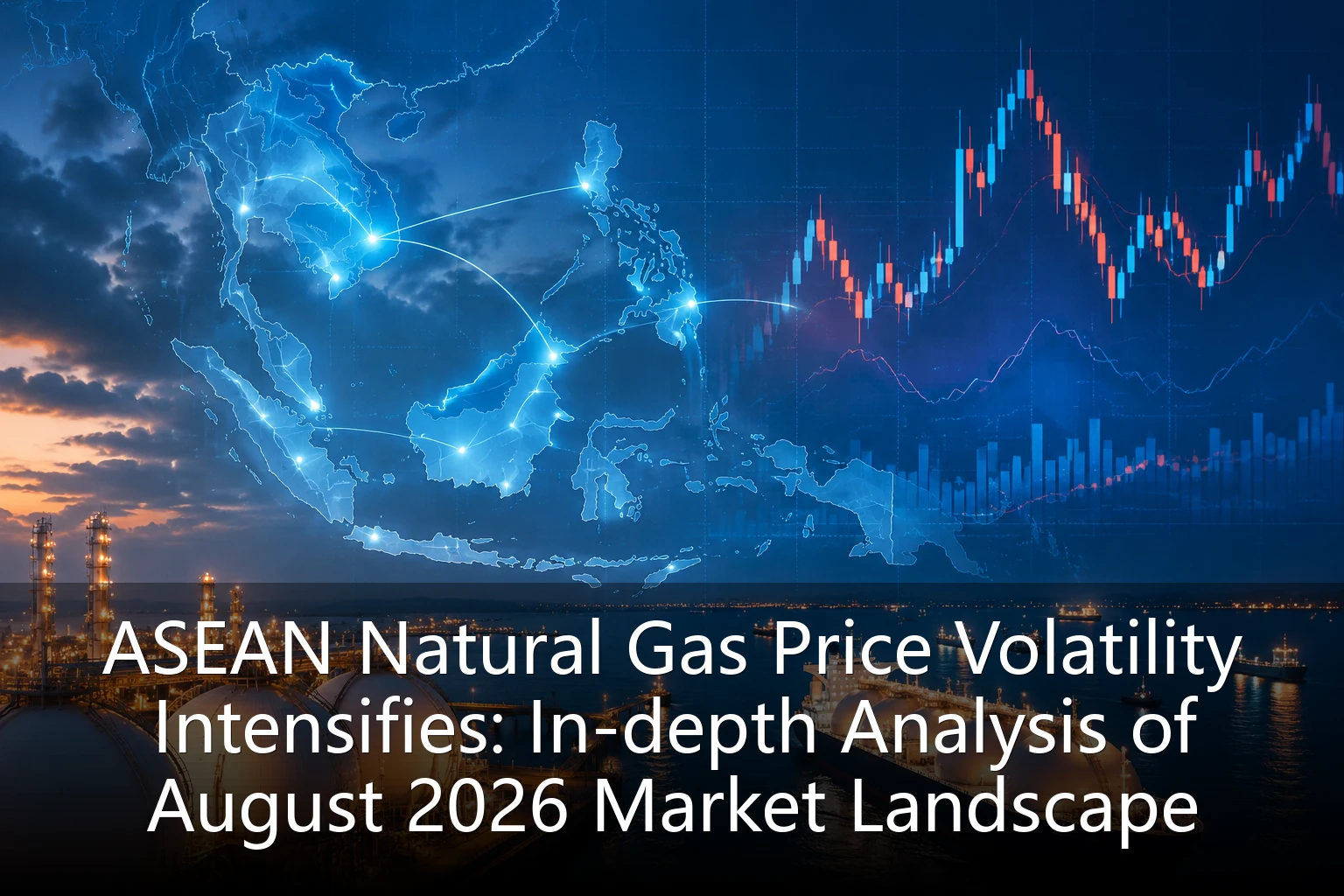
\n\nIn August 2026, the ASEAN region's natural gas market experienced unprecedented price fluctuations, with multiple factors intertwined leading to significant volatility in natural gas prices across the region. As an important component of the global energy market, natural gas prices in the ASEAN region not only affect regional energy security but also have a profound impact on the global energy landscape. This article will provide a comprehensive analysis of the current ASEAN natural gas market from multiple dimensions including market dynamics, influencing factors, and investment strategies.
\n\nMarket Status: Price Volatility Reaches New High for the Year
\n\nAccording to the latest data from ASEAN Global Investment Network, in early August 2026, natural gas prices in the ASEAN region showed "roller coaster"-like volatility, with LNG (liquefied natural gas) import prices in some countries increasing by more than 15% compared to July, reaching a new high for the year. Particularly in major energy-consuming countries such as Singapore, Malaysia, and Thailand, spot natural gas prices once broke through the $20 per million British thermal units mark, an increase of nearly 30% from the beginning of the year.
\n\nThis price volatility shows clear regional differences. In natural gas exporting countries like Brunei and Indonesia, prices remained relatively stable, while import-dependent countries such as Singapore, Thailand, and the Philippines experienced more severe price fluctuations. Industry analysts suggest that this divergent trend reflects the differences in energy supply and demand structures within ASEAN, highlighting the urgency of regional energy integration.
\n\nMultiple Factors Intertwined: Deep Reasons Behind Price Volatility
\n\nThe factors causing current natural gas price fluctuations are multifaceted, mainly including the following aspects:
\n\n- \n
- Extreme Weather Impact: During the summer of 2026, Southeast Asia experienced rare high-temperature heatwaves, leading to a surge in electricity demand for cooling equipment such as air conditioners, which in turn increased demand for natural gas power generation. According to data from the Singapore Meteorological Service, the national average temperature in early August was 2-3 degrees Celsius higher than the same period in previous years, reaching a historical high for the period. \n
- Geopolitical Risks: As one of the world's most important energy transportation channels, the Strait of Hormuz has recently experienced tensions, leading to uncertainties in international LNG transportation. Meanwhile, the ongoing Russia-Ukraine conflict continues to have chain reactions on the global energy supply chain, indirectly affecting natural gas supply in the ASEAN region. \n
- Supply-Demand Imbalance: With economic recovery in the ASEAN region, industrial production activities have accelerated, and natural gas demand continues to grow. At the same time, the expansion speed of global LNG capacity has not met expectations, leading to tight supply. The International Energy Agency (IEA) report indicates that the global LNG supply-demand gap in 2026 is expected to reach 30 million tons. \n
- Energy Transition Pressure: Under carbon neutrality goals, ASEAN countries are accelerating the transition to clean energy, which may lead to insufficient investment in traditional energy in the short term, exacerbating supply tightness. Especially with the accelerated phase-out of coal, the demand for natural gas as a transitional energy has further increased. \n
Regional Impact: Energy Security Faces New Challenges
\n\nThe severe volatility in natural gas prices has had a profound impact on the economic and social development of ASEAN countries. For energy import-dependent countries such as Singapore, Thailand, and the Philippines, rising energy costs have created upward pressure on inflation, leaving central banks with a dilemma in monetary policy.
\n\nIn the industrial sector, rising natural gas prices have led to increased costs for some energy-intensive industries, reducing their competitiveness. Particularly in industries such as chemicals and metal smelting, where energy costs account for a high proportion of total costs, price fluctuations directly affect corporate profitability and market competitiveness.
\n\nNotably, natural gas price volatility has also exacerbated energy inequality within ASEAN countries. The burden of energy expenditure has increased for low-income groups, while energy-exporting countries have benefited, further widening the economic gap within the region.
\n\nInvestment Strategies: Seizing Opportunities in Volatility
\n\nFacing the severe volatility in the natural gas market, investors need to adopt more cautious and flexible strategies. Analysts from ASEAN Global Investment Network suggest seizing investment opportunities from the following aspects:
\n\n- \n
- Diversified Investment Portfolio: Investors should avoid over-concentration in a single energy type and consider allocating natural gas with other energy assets and renewable energy to diversify risks. \n
- Focus on Long-term Trends: Despite short-term price volatility, the long-term demand for natural gas in the ASEAN region will continue to grow, especially its position as a transitional energy that is difficult to replace in the short term. \n
- Seize Regional Integration Opportunities: With the acceleration of ASEAN energy integration, regional energy interconnection will bring new investment opportunities, such as cross-border natural gas pipelines and LNG terminal infrastructure construction. \n
- Focus on Technological Innovation: Innovations in natural gas storage, transportation, and utilization technologies may lead to cost reductions, creating investment value for related companies. \n
Future Outlook: Market Landscape May Be Reshaped
\n\nLooking ahead, the ASEAN natural gas market may show the following development trends:
\n\nFirst, regional energy cooperation will be further strengthened. Facing common energy challenges, ASEAN countries are expected to accelerate the regional integration process, establish closer energy cooperation mechanisms, and jointly respond to price volatility risks.
\n\nSecond, the energy structure will adjust more rapidly. Under carbon neutrality goals, the position of natural gas as a "bridge energy" will be further consolidated, but in the long term, the proportion of renewable energy will gradually increase. It is expected that by 2030, the share of renewable energy in the ASEAN region's energy structure will exceed 40%.
\n\nThird, digital technologies will profoundly change the energy market. The application of technologies such as blockchain, big data, and artificial intelligence will increase the transparency and efficiency of energy transactions and reduce market volatility risks.
\n\nFinally, energy security will become a policy priority for all countries. In the new pattern of coexistence between globalization and regionalization, ASEAN countries will pay more attention to diversifying energy supply and reducing dependence on a single energy source.
\n\nConclusion: Seizing Investment Opportunities in Changing Times
\n\nThe severe volatility in the ASEAN natural gas market in August 2026 reflects the profound transformation that the global energy landscape is undergoing. For investors, this is both a challenge and an opportunity. By deeply understanding market dynamics, grasping regional development trends, and adopting scientific investment strategies, it is possible to achieve substantial returns in this transformation.
\n\nASEAN Global Investment Network will continue to monitor the dynamics of the regional energy market, providing timely and professional analysis and advice to help investors seize investment opportunities in the ASEAN energy market and achieve wealth growth.